
How Living Room Furniture Choices Shape Comfort and Add Lasting Home Value
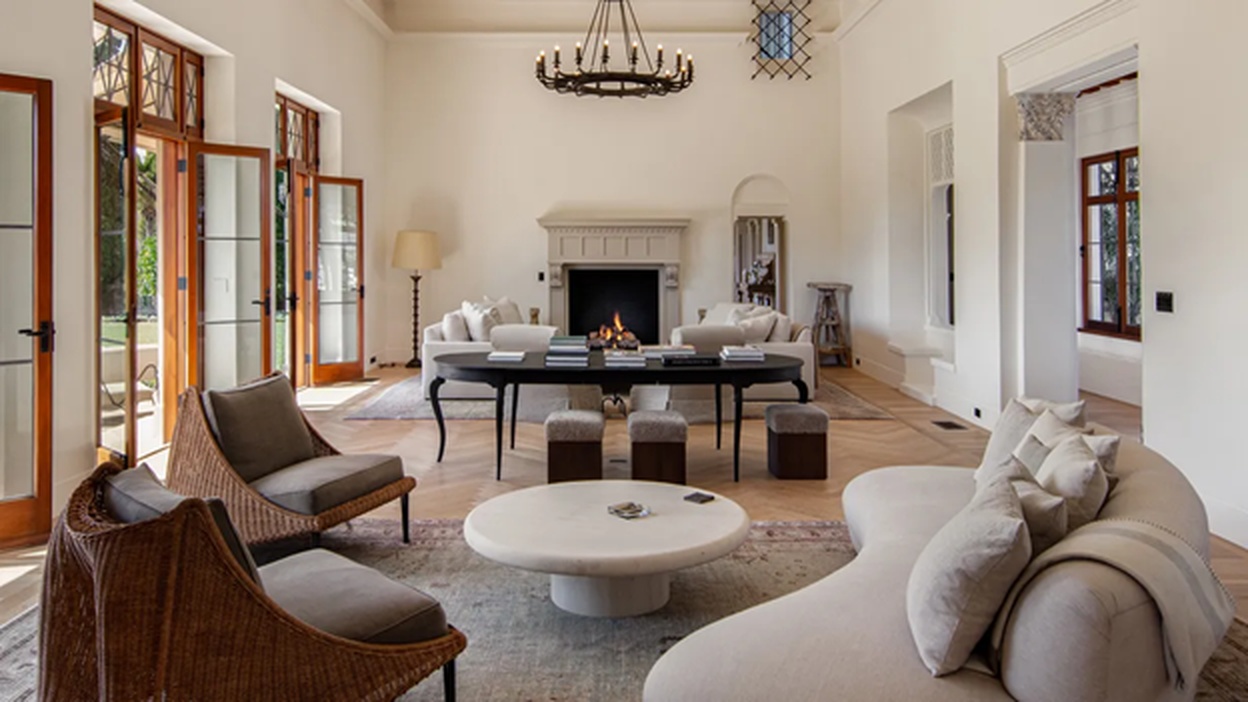
The living room is often considered the heart of the home. It is where families relax after long days, guests are welcomed, and everyday life unfolds. Because of this, the choices you make when selecting living room furniture have a powerful effect on both comfort and the overall value of your home. The right pieces can create a space that feels inviting, functional, and visually appealing, while poor choices may lead to discomfort and missed design potential.
Understanding how furniture influences comfort, usability, and perceived home value helps homeowners make smarter decisions. With thoughtful planning, your living room can become a space that supports daily life while also enhancing long term appeal.
Why the Living Room Matters More Than You Think
The living room is usually the first interior space people notice when entering a home. It sets the tone for the rest of the interior and often reflects the homeowner’s lifestyle and taste. A well designed living room feels balanced, open, and welcoming, while a poorly arranged one can feel cramped or impersonal.
From a comfort perspective, this space supports rest, conversation, and entertainment. From a value perspective, it plays a role in how a home is perceived by visitors and potential buyers. Quality living room furniture signals care, attention to detail, and pride in the home.
Comfort Begins With Thoughtful Furniture Selection
Comfort is not accidental. It is created through furniture choices that support the way people actually use the space.
Seating is the foundation of comfort in any living room. Sofas and chairs should provide proper support while encouraging relaxation. Seat depth, cushion firmness, and back height all influence how comfortable furniture feels over time. Pieces that look attractive but lack support often lead to dissatisfaction.
The layout of living room furniture also affects comfort. Arrangements that encourage conversation and allow easy movement help people feel at ease. When furniture is too large or placed without considering traffic flow, the room can feel awkward and restrictive.
Comfort also comes from balance. A mix of seating options, tables, and open space creates a room that feels usable rather than overcrowded.
How Furniture Scale Impacts the Feel of the Room
One of the most common mistakes in living room design is choosing furniture that does not fit the scale of the space. Oversized furniture can overwhelm a smaller room, while pieces that are too small may make a large room feel empty and disconnected.
Scale affects comfort because it influences how easily people move and interact within the space. Properly sized living room furniture allows for clear walkways, comfortable seating distances, and a sense of openness.
When selecting furniture, consider ceiling height, room width, and natural light. Low profile furniture can make rooms feel more spacious, while taller pieces may work better in rooms with higher ceilings.
Material Choices and Everyday Comfort
Materials play a significant role in how comfortable a living room feels on a daily basis. Upholstery fabrics affect softness, temperature, and maintenance needs. Some materials feel cozy and warm, while others stay cool and crisp.
Durability also matters. Living rooms are high use areas, so furniture materials should withstand regular activity without showing wear too quickly. Furniture that maintains its appearance over time contributes to both comfort and value.
Texture adds another layer of comfort. Combining smooth surfaces with soft fabrics creates a balanced environment that feels welcoming rather than sterile.
Furniture Layout and Emotional Comfort
Beyond physical comfort, living room furniture influences emotional comfort. A well arranged space encourages relaxation and connection. Furniture that faces inward supports conversation, while scattered arrangements can feel disconnected.
The placement of furniture in relation to windows and lighting also affects mood. Natural light enhances comfort and makes furniture feel more inviting. Thoughtful placement avoids blocking light sources and highlights the best features of the room.
Emotional comfort comes from a sense of order. When furniture has a clear purpose and place, the room feels calm and organized.
The Link Between Living Room Furniture and Home Value
Living room furniture does more than serve daily needs. It also shapes how a home is perceived in terms of value. While furniture itself is not always included in a sale, it influences how buyers imagine living in the space.
A well furnished living room helps buyers see the potential of the home. It highlights room size, function, and flow. Furniture that complements the architecture and style of the home enhances visual appeal and perceived quality.
Homes that feel comfortable and thoughtfully designed often leave stronger impressions. This emotional connection can influence buying decisions and overall value perception.
Consistency and Design Cohesion
Consistency in living room furniture choices adds to both comfort and value. When furniture styles, colors, and proportions work together, the room feels intentional and polished.
This does not mean everything must match perfectly. Instead, pieces should complement one another in tone and scale. A cohesive look makes the living room feel complete and harmonious.
Design cohesion also helps the living room connect visually with other areas of the home, especially in open layouts. This sense of flow adds to the overall appeal and comfort of the space.
Storage and Practical Functionality
Comfort is also about practicality. Living room furniture that includes storage options helps maintain order and reduce clutter. Organized spaces feel more comfortable and easier to enjoy.
Storage furniture can house books, media items, or everyday essentials without drawing attention away from the design. When clutter is controlled, the living room feels more spacious and relaxing.
From a value standpoint, practical features are attractive to buyers. Furniture that supports organization adds functional appeal to the room.
Local Style and Regional Preferences
Design preferences often vary by location, and understanding local tastes can influence both comfort and value. In areas where homes emphasize relaxed yet functional living, furniture choices often reflect this balance.
Exploring living room furniture in Cerritos can provide insight into styles that suit the local lifestyle. Furniture that aligns with regional preferences often feels more natural within the home environment and can enhance overall appeal.
Local influence does not limit creativity but helps guide choices that feel appropriate and comfortable for the setting.
Flexibility for Changing Lifestyles
Modern living rooms often serve multiple purposes, from entertainment to remote work or family activities. Furniture that adapts to these needs increases comfort and long term usefulness.
Flexible living room furniture arrangements allow the space to evolve as lifestyles change. Modular seating, movable tables, and versatile pieces support this adaptability.
Homes that offer flexible living spaces are increasingly valued, as they meet the needs of diverse households.
Making Informed Furniture Decisions
Choosing living room furniture should be a thoughtful process. Consider how each piece supports comfort, function, and visual balance. Focus on quality, scale, and materials that suit your daily life.
Visiting a reliable furniture store that Cerritos residents trust can help homeowners compare options, understand construction quality, and visualize how pieces will work together. Seeing furniture in person often reveals details that online images cannot capture.
Informed decisions lead to furniture choices that feel satisfying long after purchase.
Living room furniture choices shape how a home feels and how it is perceived. Comfort, functionality, and visual harmony all contribute to creating a space that supports everyday living while adding lasting value.
By selecting living room furniture that fits the space, matches the lifestyle, and reflects thoughtful design, homeowners can create living rooms that feel welcoming, comfortable, and appealing. Whether focused on daily enjoyment or long term value, the right furniture choices make a meaningful difference in how a home is experienced.