
How to Choose the Right Wood for Your Fence
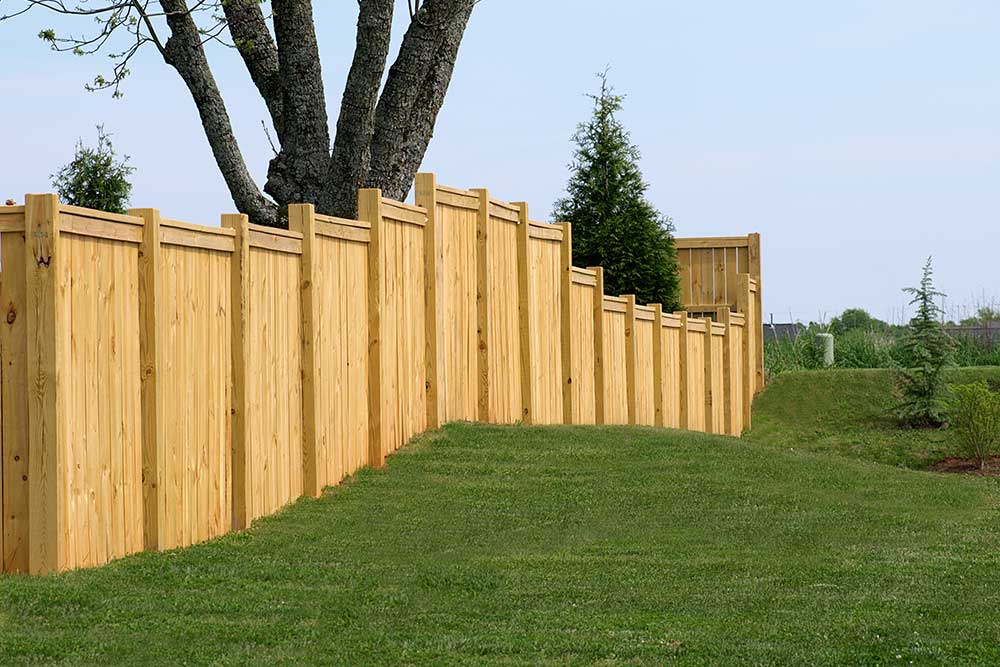
A wood fence is a timeless addition to any property, offering privacy, security, and aesthetic appeal. However, selecting the right type of wood is crucial to ensure durability, longevity, and minimal maintenance. With so many options available, how do you choose the best wood for your wood fence? This guide will walk you through the key factors to consider, including wood types, durability, cost, and maintenance requirements.
1. Understanding Different Types of Wood for Fencing
Not all wood is created equal when it comes to fencing. Some species are naturally resistant to rot and insects, while others require treatment to withstand the elements. Here are the most common types of wood used for fences:
A. Cedar
Cedar is a top choice for a wood fence due to its natural resistance to rot, insects, and moisture. It has a beautiful, rich color and a pleasant aroma.
- Pros:
- Naturally durable without chemical treatments
- Resistant to warping and cracking
- Long lifespan (15-30 years with proper care)
- Cons:
- More expensive than pressure-treated pine
- May fade to a silvery-gray over time
B. Redwood
Redwood is another premium option known for its natural beauty and resistance to decay.
- Pros:
- Extremely durable and insect-resistant
- Attractive reddish hue that enhances curb appeal
- Can last 20-30 years
- Cons:
- Expensive and less readily available in some regions
- Requires sealing to maintain color
C. Pressure-Treated Pine
Pressure-treated pine is one of the most affordable and commonly used woods for fencing. It undergoes a chemical treatment to resist rot and pests.
- Pros:
- Budget-friendly
- Treated for long-term durability (15-20 years)
- Widely available
- Cons:
- Contains chemicals that may leach over time
- Prone to warping if not properly maintained
- Requires staining or painting for enhanced protection
D. Spruce, Fir, and Pine (Untreated)
Untreated softwoods like spruce, fir, and pine are economical but less durable.
- Pros:
- Low initial cost
- Lightweight and easy to work with
- Cons:
- Prone to rot, insects, and warping
- Requires regular sealing or staining
- Shorter lifespan (5-10 years)
E. Tropical Hardwoods (Ipe, Teak, Mahogany)
For a high-end wood fence, tropical hardwoods offer unmatched durability.
- Pros:
- Extremely resistant to rot, insects, and weather
- Can last 25-50 years
- Unique, luxurious appearance
- Cons:
- Very expensive
- Heavy and difficult to install
- Requires special tools for cutting
2. Factors to Consider When Choosing Wood for Your Fence
A. Climate and Environmental Conditions
- Wet or humid climates: Choose rot-resistant woods like cedar, redwood, or pressure-treated pine.
- Dry climates: Most woods perform well, but hardwoods may be overkill.
- Coastal areas: Salt-resistant woods like cedar or tropical hardwoods are ideal.
B. Budget
- Low budget: Pressure-treated pine or spruce
- Mid-range budget: Cedar or redwood
- High budget: Tropical hardwoods like ipe or mahogany
C. Maintenance Requirements
- If you prefer low maintenance, opt for cedar, redwood, or pressure-treated wood.
- Untreated pine or spruce will need frequent staining or sealing.
D. Aesthetic Preferences
- Cedar and redwood offer a natural, rustic look.
- Pressure-treated pine can be painted or stained in various colors.
- Tropical hardwoods provide a rich, exotic appearance.
3. Additional Tips for a Long-Lasting Wood Fence
- Seal or Stain Your Fence: Applying a protective finish every few years prevents moisture damage and UV fading.
- Use Proper Installation Techniques: Ensure posts are set in concrete to prevent shifting.
- Regular Inspections: Check for signs of rot, insect damage, or loose boards.
Conclusion
Choosing the right wood for your wood fence depends on your budget, climate, and desired maintenance level. Cedar and redwood are excellent for natural durability, while pressure-treated pine offers an affordable yet sturdy option. For a luxurious, long-lasting fence, tropical hardwoods are unbeatable. By considering these factors, you can select the best wood to ensure your fence remains beautiful and functional for years to come.
Investing in the right materials now will save you time and money on repairs later, making your wood fence a worthwhile addition to your home. Whether you prioritize aesthetics, durability, or cost-efficiency, there’s a perfect wood type for every fencing project.


