
Key Considerations For The Best Custom Home Building
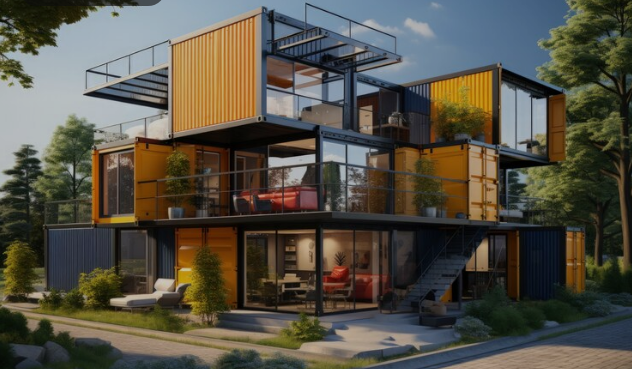
Building your dream home is an exciting endeavor, but it comes with its fair share of challenges. When it comes to custom home building, there are several key considerations to keep in mind to ensure your project is a success. From selecting the right timber products to understanding the intricacies of the building process, here’s a comprehensive guide to help you navigate the journey of creating your perfect custom home.
Choose Quality Timber Products:
Timber is a timeless choice for custom home construction, offering durability, versatility, and aesthetic appeal. When selecting timber products for your home, prioritize quality over price. Opt for sustainably sourced timber that is certified by reputable organizations such as the Forest Stewardship Council (FSC). Quality timber products will not only enhance the structural integrity of your home but also contribute to its overall beauty and longevity.
Consider Your Design Preferences:
One of the greatest advantages of custom home building is the ability to tailor every aspect of your home to suit your unique style and preferences. Before embarking on your project, take the time to carefully consider your design preferences. Are you drawn to the rustic charm of timber-frame construction, or do you prefer the sleek, modern look of timber-clad exteriors? By clarifying your design preferences early on, you can ensure that your custom home reflects your personal taste and lifestyle.
Think About Long-Term Maintenance:
While timber is a durable and resilient building material, it does require regular maintenance to ensure its longevity. Before finalizing your timber product selections, consider the long-term maintenance requirements associated with each option. Some timber species may require more frequent staining or sealing to protect against moisture and pests, while others may be more low-maintenance. By choosing timber products that align with your maintenance preferences and lifestyle, you can enjoy your custom home for years to come without the hassle of constant upkeep.
Work With Experienced Professionals:
Custom home building is a complex process that requires the expertise of skilled professionals. When assembling your project team, be sure to choose experienced architects, builders, and contractors who specialize in timber construction. Look for professionals who have a proven track record of success in delivering high-quality custom homes and who understand the unique challenges and opportunities associated with timber construction. By collaborating with experienced professionals, you can ensure that your custom home project is completed to the highest standards of craftsmanship and quality.
Prioritize Energy Efficiency:
Energy efficiency is an increasingly important consideration for custom home builders, both from an environmental and cost-saving perspective. Timber construction offers inherent energy-saving benefits, including excellent insulation properties and thermal mass. To maximize the energy efficiency of your custom home, consider incorporating additional features such as high-performance windows, passive solar design principles, and energy-efficient HVAC systems. By prioritizing energy efficiency during the design and construction process, you can reduce your carbon footprint and enjoy long-term savings on your utility bills.
Budget Wisely:
Custom home building can be a significant financial investment, so it’s important to establish a realistic budget for your project from the outset. Consider all of the costs associated with custom home construction, including materials, labor, permits, and fees. Be sure to account for any unforeseen expenses that may arise during the course of your project, such as design changes or unexpected site conditions. By budgeting wisely and planning ahead, you can avoid costly surprises and ensure that your custom home project stays on track financially.
Plan for Future Needs:
When designing your custom home, it’s essential to consider not only your current needs but also your future lifestyle requirements. Think about how your family may evolve over time and plan accordingly. Do you anticipate needing additional living space for aging parents or growing children? Would you like to incorporate sustainable features such as solar panels or rainwater harvesting systems in the future? By designing your custom home with future needs in mind, you can create a space that will adapt and grow with your family for years to come.
Stay Flexible:
Flexibility is key when it comes to custom home building. Despite careful planning and preparation, unexpected challenges may arise during the construction process. Whether it’s inclement weather, supply chain disruptions, or changes in building codes, it’s important to remain adaptable and open to alternative solutions. By maintaining clear communication with your project team and remaining flexible in your approach, you can overcome obstacles and keep your custom home project moving forward smoothly.
Conclusion:
custom home building is a rewarding journey that offers the opportunity to create a truly personalized living space. By considering key factors such as timber products, design preferences, long-term maintenance, and energy efficiency, you can ensure that your custom home project is a success. With careful planning, collaboration with experienced professionals, and a commitment to quality and sustainability, you can turn your dream home into a reality that you’ll cherish for years to come.


